In
lecture this week Professor Vesna claimed that the printing press led to the
first widespread dispersion of knowledge. For the first time, written works
could be mass produced and distributed. Gutenberg's invention accelerated the
spread of the Renaissance and brought economic prosperity to Western Europe.
Even from the 1450s, robotics and art have been linked.
Mass
production at first brought about a wider appreciation for art, especially
literature. But around 1900, technical reproduction of art was possible. Art
was no longer unique but commonplace. At this same time, photography began and
paintings were undermined forever. Walter Benjamin argues that the “semblance
of (art)’s autonomy disappeared forever”. Douglas Davis calls the
indistinguishable difference between original work and reproduction, “formally
chameleon”. That is to say, because we can so easily reproduce anything it is
hard to know what is legitimate art.

On
a similar note, artificial intelligence has long been the subject of science
fiction. But more and more it is becoming a real goal of tech companies
everywhere. Soon, the relationship between original life and and artificial
life could be just as indistinguishable, not necessarily in their looks but
their intelligent function. Theo Jansen is the perfect example of art and
robotics meeting. Jansen’s art focuses on lifelike sculptures that can perform
some of the living functions of human beings.

Finally,
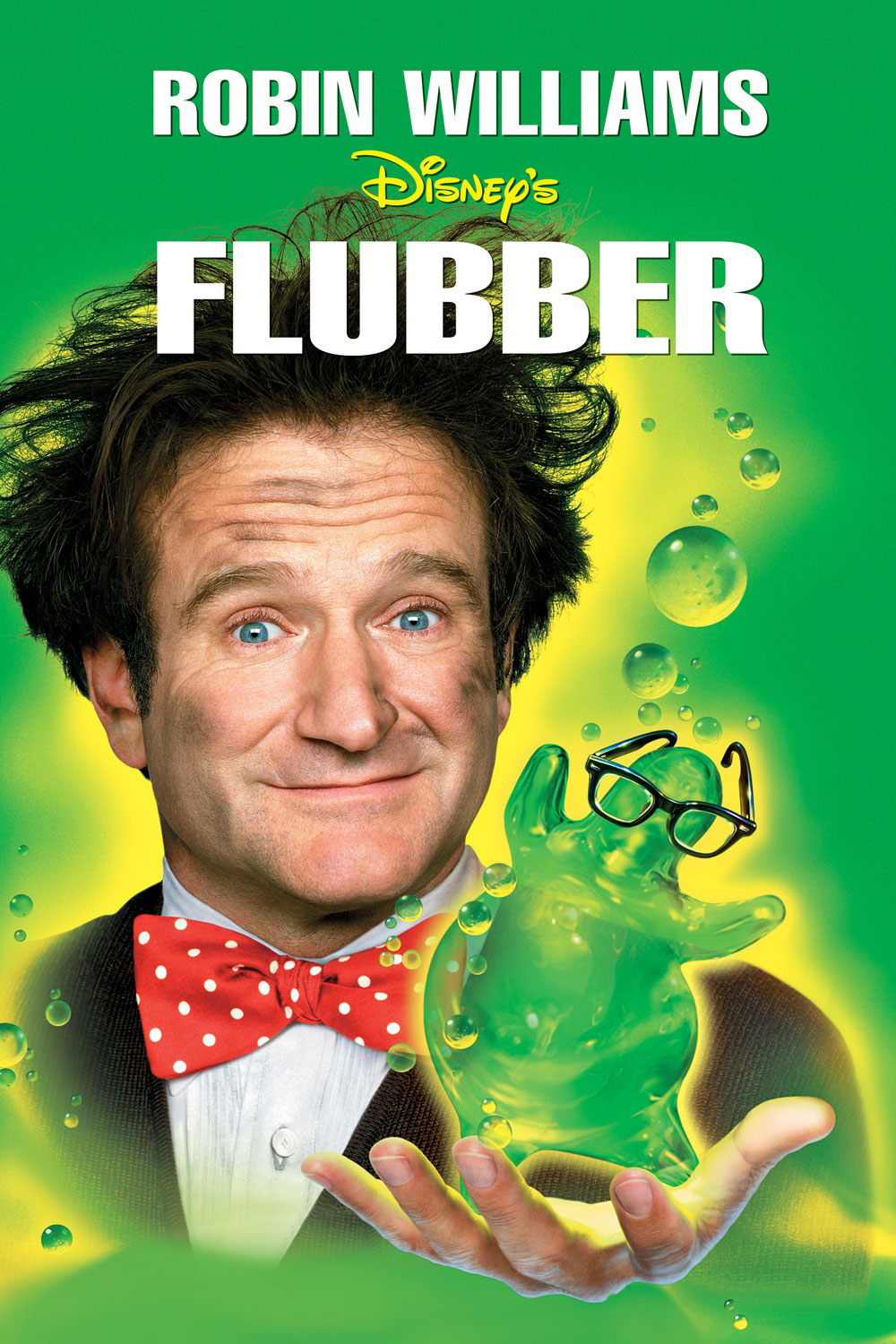
this assignment reminds me of the timeless classic, Flubber. A scientist, inpursuit of new energy sources, stumbles
upon a rubber form of artificial life. This substance, though man-made, has a
personality and emotion and in many ways is a work of art. Although a mediocre
film, Flubber is an excellent example
of how robotics effects art. Whether it is mass production in the 1400s, technical
reproduction in the 1900s, or artificial life in the 2000s, machinery that can
out-perform humans can often impede upon humanity’s greatest fruit; creative
expression.
Works Cited
Flubber. Dir. Les Mayfield. Perf. Robin Williams. Walt Disney Pictures, 1997.
DVD.
Kreis,
Steven. "The Printing Press." The History Guide, 13 Apr. 2012.
Web. 17 Apr. 2016.
"My
Creations, a New Form of Life." Theo Jansen:. Ted, Mar. 2007. Web.
18 Apr. 2016.
Benjamin,
Walter. Illuminations: Essays and Reflections. Ed. Hannah Arendt. Trans. Harry Zohn. New York:
Schocken Books, 1968.
Douglas Davis Leonardo, Vol. 28, No.
5, Third Annual New York Digital Salon. (1995), pp. 381-386.
Images:
Theo Jansen Ted Talk:


No comments:
Post a Comment